
Rise Of Low Calorie And Sugar Free Ice Cream Brands
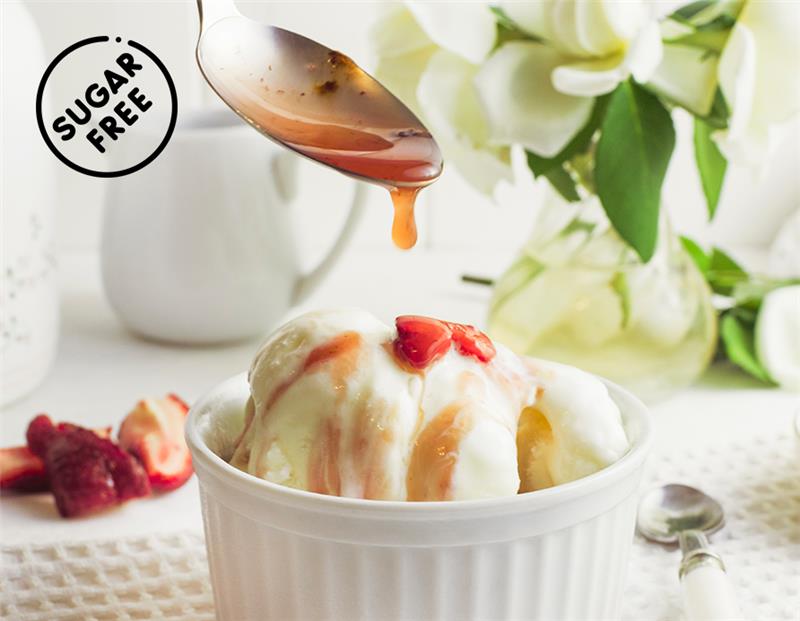
The ice cream industry has experienced a shift in recent years, which has been occasioned by the change of consumer preferences and increase in health awareness. What was previously viewed as a decadent indulgence of the cheat days is also taking a new turn to become a guilt free experience. Introduce the emergence of low caloric and sugar-free ice creams as a solution to the demand to have healthier options of desserts without compromising the taste. Options like premium handmade ice cream are also gaining attention for their balance of taste and quality.
These new-age frozen desserts are additionally rich in the same creamy texture and the sweetness of the old fashioned ice cream, besides having much less sugar and fewer calories. Since the dietary habits of groups such as the keto, low-carb, and sweeter-aware casts are becoming trendy, this niche has rapidly grown into a full-scale movement among the frozen dessert community.
Why Low-Calorie and Sugar-Free Ice Cream is Trending
The market demand of low calorie and sugar free ice cream is to a great extent influenced by an overall health and wellness trend. Consumers are getting more conscious of the connections between sugar consumption and health related problems like obesity, diabetes and heart disease. Many are also exploring the health benefits of ice cream when made with mindful ingredients and reduced sugar.
Moreover, a significant portion of them are following some flexible diets, such as intermittent fasting, low-carb, or high-protein diets, focusing on the lowered sugar intake. Social media has been instrumental in making such products popular as well with influencers and health enthusiasts demonstrating healthier ice cream substitutes, from low-calorie pints to indulgent flavors such as butterscotch ice cream. This has led to increased demand for indulgent but healthy choices that will enable consumers to indulge and still not ruin their fitness plans.
Shift in Consumer Behavior
Consumers in the modern world are now more knowledgeable and aware of what they feed on. It is interesting to see a significant turn to low-sugar, cleaner-label, and non-traditional high-sugar desserts. Millennials and Gen Z, in particular, are at the forefront of this trend, and frequently seek out products that are compatible with their lifestyle values such as sustainability, source transparency, and diet compatibility (e.g., vegan, keto, dairy-free).
Moreover, consumers are also becoming more concerned with nutrition labels and seeking goods that contain lower amounts of artificial preservatives. This evolving trend is compelling the existing brands to evolve and allowing upstarts to create in the market with novel products.
Brands Leading the Low-Calorie and Sugar-Free Revolution
A few companies have become leaders in the low-calorie and sugar free ice cream market. Halo Top was among the first disruptors that enjoyed popularity due to its low-calorie pints with the calorie amounts displayed in bold font on the front. Rebel Creamery followed, with a keto-friendly, high-fat, no-sugar-added, formula which was attractive to low-carb dieters.
Another brand with sugar conscious consumers is enlightened which sells a wide variety of low sugar ice creams and novelties. The plant fats and sweeteners such as allulose in Nick ice cream are an innovation that would introduce a Swedish-style ice cream. Even local spots, like an ice cream shop in frisco, have started offering healthier alternatives alongside traditional favorites. These brands are not merely creating the so-called diet ice cream; it is recreating what pleasure will look like in a health-centric world.
What Sets These Brands Apart
What makes the difference between these brands actually is their insistence on innovation, in terms of ingredients and branding message. Instead, a lot of people are using other forms of sweeteners such as erythritol, stevia, monk fruit, allulose, to provide the mouth with the sensation of sweetness without the metabolic effects of the traditional sugar.
They also tend to substitute full milk or milk substitutes with skim milk to decrease fat and calorie content and still achieve creaminess through procedures such as air churning or the use of plant based fats. Moreover, their advertising subject is a contemporary audience that is more about lifestyle and not just weight loss.
Bright packs, labeling, and innovative flavors such as cookie dough, birthday cakes and churro have made these brands stand out in freezer corners. Flavors like butterscotch ice cream also continue to remain favorites while being adapted into sugar-free recipes.
The Challenges These Brands Face
Low-calorie and sugar-free ice cream brands have a number of challenges even though they are popular. The biggest challenge that many consumers still feel these substitutes are not close to the richness and creaminess as traditional ice creams are is taste and texture. It has a perception barrier too: there are still those who think of low-calorie food as less pleasing.
Also, the production of high-quality, sugar-free products and new production processes can be more expensive, thus reducing the price-sensitive buyers. There are regulatory obstacles concerning sugar substitutes and labelling, and the difficulty of preserving shelf life without the use of artificial preservatives also continues to offer challenges to manufacturers.
What's Next for Low-Calorie and Sugar-Free Ice Cream
This segment is promising in the future. With the development of food science, even more improved formulations that would bring close to resembling the taste and mouthfeel of full fat and full sugar ice cream can be anticipated. High-protein and plant-based foods as well as functional ingredients (such as added probiotics, fiber or adaptogenic) may be more common in future products.
Brands might also begin to concentrate on customization with alternatives based on individual diets, allergies or nutrient requirements. With the rise in demand, bigger traditional brands can either buy or create their own better-for-you lines and this will further normalize the low-sugar options in primary markets. Also, better distribution and cost reduction can make these treats more affordable to the average consumer.
Where to Find These Options in the USA
Ice cream, which is low-calorie and sugar free is now readily accessible throughout the U.S. due to the increased distribution and demand. The largest retail chains such as Walmart, Target, Whole Foods, Kroger and Safeway sell the most popular brands of Halo Top, Enlightened and Nick. Niche or regional product choices are frequently found in specialty stores such as Sprouts and Trader Joe.
A wider range of grocery products can be found on online grocery stores such as Amazon Fresh, Instacart, and Thrive Market. Moreover, there are brands that offer their products directly through their websites and offer exclusive flavors and subscriptions. It is now easier than ever to discover a frozen treat that will fit into a low-sugar lifestyle with a little label reading.
Conclusion
The appearance of low-calorie and sugar free ice cream is not merely a fad, it is a serious change in the attitude of the consumers towards indulgence and health. With people more and more trying to find smarter/more balanced approaches to indulging their favourite treat, innovative brands are stepping up to the challenge and redefining what dessert can be.
These products are finding a lasting place in the frozen aisle despite some obstacles that have been on the way, but the message to the world is that indulgence and wellness can go together. Ice cream is getting a tasty and healthy future with the changing technology, quality of ingredients and the growing demands of the consumers.
About the Author
